Working Hours : Saturday - Wednesday, 08am - 05pm



Dentistry
(130)
AI orthodontics
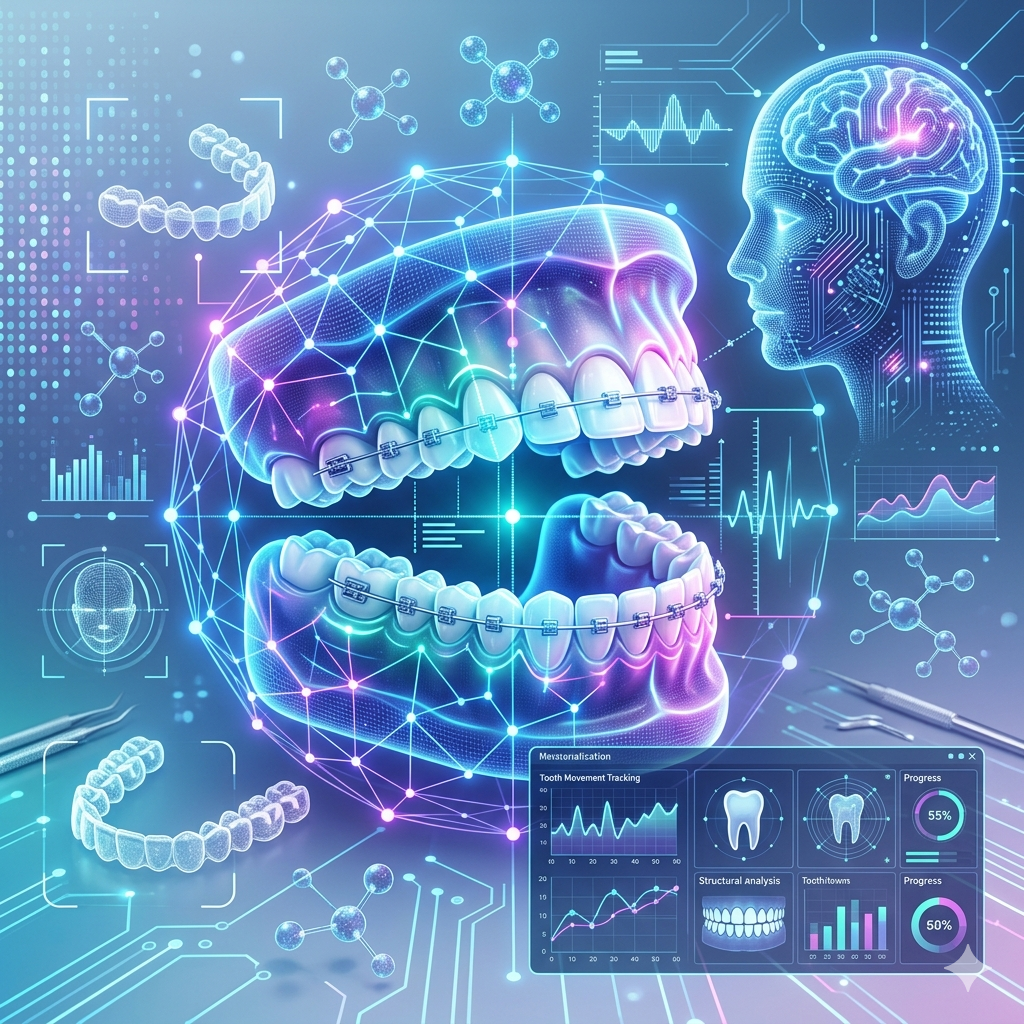
The AI Orthodontics Course provides a practical and academically grounded introduction to how artificial intelligence can be applied in modern orthodontics, including its role in data analysis, diagnostic support, digital planning, workflow improvement, and professional communication.
The course focuses on the responsible and intelligent use of AI tools, with a clear understanding of their limitations and their role as a support to clinical judgment rather than a replacement for it.
What You Will Learn
The AI Orthodontics Course helps trainees understand how artificial intelligence can support modern orthodontic practice in a more structured and efficient way through improved information handling, workflow support, documentation, communication, and selected aspects of planning and follow-up.
This course focuses on realistic applications of AI in orthodontics, helping trainees distinguish between tools that are genuinely useful in practice and those that are overpromised or not yet clinically mature.
During this course, you will learn how to:
- Understand the broader concept of artificial intelligence in orthodontics and its role in modern practice
- Identify key areas where AI can be used in diagnosis, analysis, documentation, and data handling
- Understand how AI tools can support a more efficient digital orthodontic workflow
- Use AI to improve the organisation of records, information, and academic or professional presentations
- Explore its role in supporting treatment planning, patient communication, and case presentation
- Understand how AI tools can contribute to learning, research, and continuous development in orthodontics
- Distinguish between realistic current applications of AI and exaggerated marketing claims
- Understand the limitations of AI and when human clinical judgment must remain central
- Learn how to use AI tools to improve efficiency without compromising the quality of clinical decisions
- Develop a more informed approach to the digital future of orthodontics
- Understand the ethical and professional considerations involved in using AI in dentistry
- Build a mindset that is better prepared for digital transformation in modern orthodontic practice
This course does not present artificial intelligence as a replacement for the clinician. It presents it as a powerful support tool that can improve the quality and speed of work when used properly. It helps trainees understand the place of AI in orthodontics within the future of the specialty, without naïve enthusiasm or outdated resistance.
Course Objectives
The AI Orthodontics Course is designed to introduce trainees to the core concepts and practical applications of artificial intelligence in orthodontics, while strengthening their ability to use these tools thoughtfully and effectively to improve workflow, support decision-making, and enhance professional efficiency in modern practice.
The main objectives of this course are to:
- Introduce trainees to the fundamentals of AI in orthodontics and its current practical applications
- Build a clear understanding of how artificial intelligence can support modern orthodontic care
- Explain how AI tools may improve organisation, documentation, and analysis
- Help trainees understand the role of AI in digital treatment workflows
- Train participants to evaluate which AI uses are genuinely useful in education and clinical practice
- Clarify the limitations of AI and the risks of misuse or overreliance
- Encourage critical thinking toward emerging digital tools rather than uncritical excitement
- Support the ability to adopt modern technology without weakening sound clinical judgment
- Improve professional readiness for the rapid digital evolution of orthodontics
- Introduce the ethical and professional considerations associated with AI in dentistry
- Support the development of a more adaptable, informed, and future-ready clinician
This course helps trainees become active participants in the future of orthodontics rather than passive observers, while maintaining the critical thinking and professional discipline needed to use technology wisely.
- Category Dentistry
- Learning Method Online
- Course Level All Levels
- Duration 3 Month
- Lectures 3 Lecture
- Enrolled Students 0