Working Hours : Saturday - Wednesday, 08am - 05pm


Orthodontics
(250)
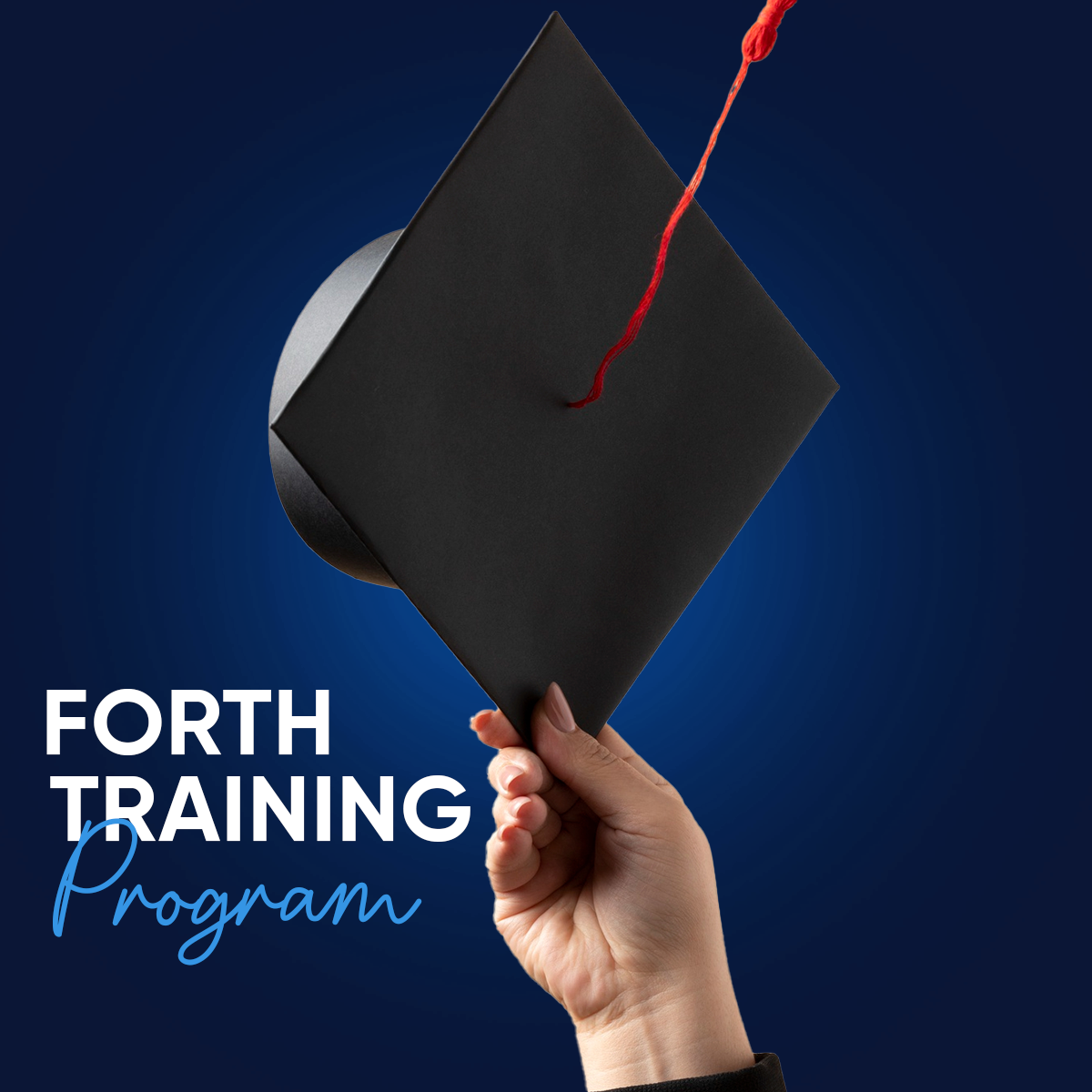
Fellowship in Orthodontics (FOrth), The British Orthodontic Fellowship Program
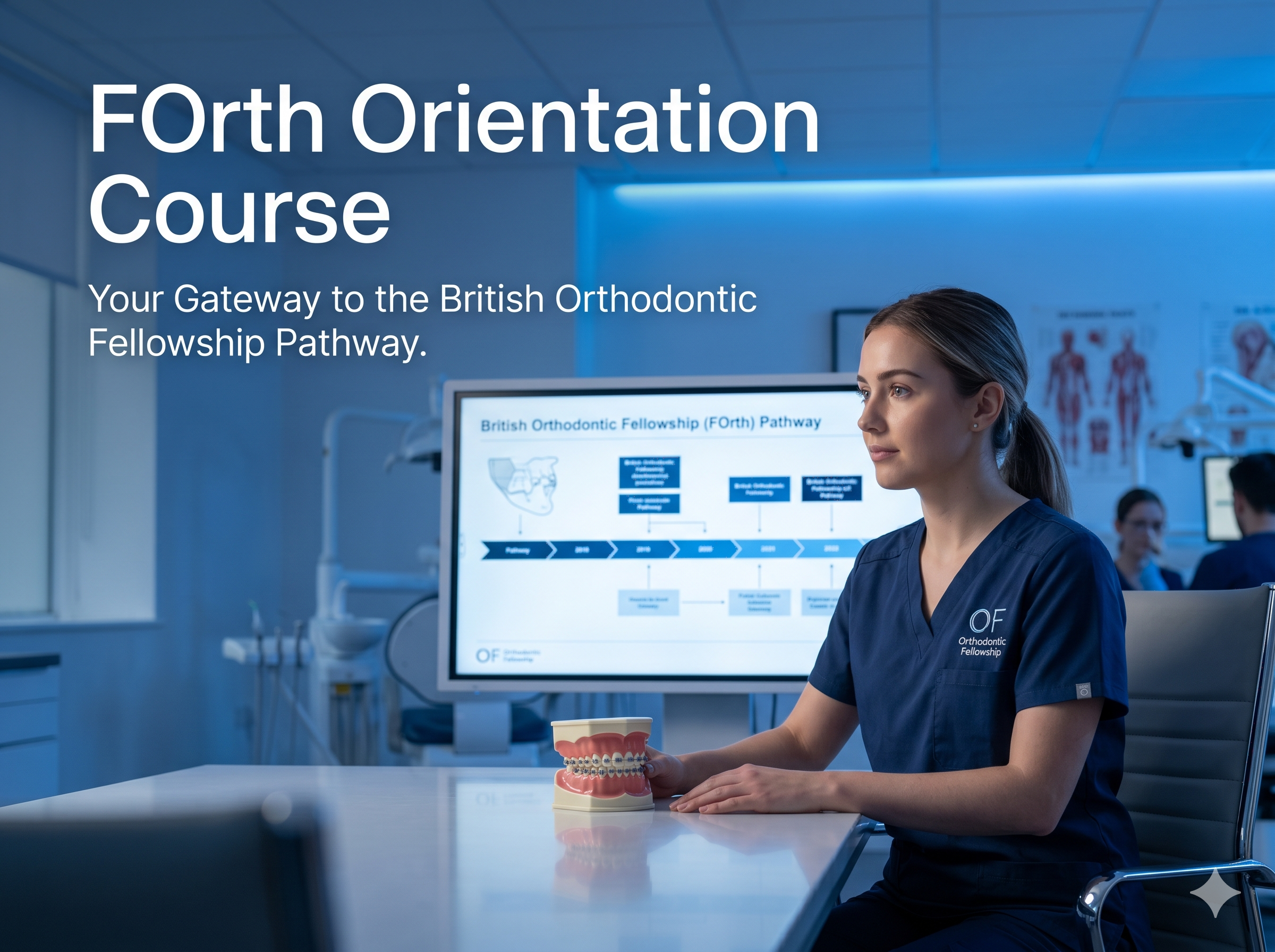
Fellowship in Orthodontics (FOrth) – The British Orthodontic Fellowship Program is a comprehensive long-term training programme designed to prepare dentists for an advanced specialist pathway in orthodontics through a structured academic and clinical framework aligned with the expectations of British orthodontic fellowship training.
The programme brings together progressive theoretical teaching, preclinical preparation, organised clinical exposure, case-based discussions, technical skill development, and academic and examination preparation in order to build a clinician with stronger understanding, greater competence, and more confident treatment decision-making.
Rather than focusing only on the transfer of information, the programme is designed to build a true orthodontic mindset grounded in accurate diagnosis, structured treatment planning, deeper biomechanical understanding, high-quality documentation, and the ability to analyse and discuss cases within a disciplined educational environment.
It represents an integrated pathway for dentists seeking meaningful professional and academic development within British orthodontic training, while gaining a clearer understanding of specialist examinations and the demands of modern orthodontic practice.
What You Will Learn in the Program
Through The British Orthodontic Fellowship Program, trainees follow a progressive educational journey designed to develop a broad and in-depth understanding of orthodontics, beginning with scientific foundations and extending through clinical analysis, practical skills, case discussion, and preparation for higher stages of training and examination.
Throughout the programme, you will learn how to:
- Understand the scientific and clinical foundations of modern orthodontics
- Build a strong base in orthodontic diagnosis, treatment planning, and case analysis
- Understand craniofacial growth and development and its relevance to orthodontic assessment and treatment
- Analyse different types of malocclusion and assess case complexity in a systematic way
- Interpret orthodontic records, clinical photographs, radiographs, and study models with greater structure and accuracy
- Develop a deeper understanding of orthodontic biomechanics and its role in controlling tooth movement
- Understand treatment sequencing and connect treatment objectives to clinical execution
- Strengthen the ability to discuss cases and justify treatment decisions clearly and scientifically
- Gain stronger skills in case presentation, clinical reasoning, and structured academic discussion
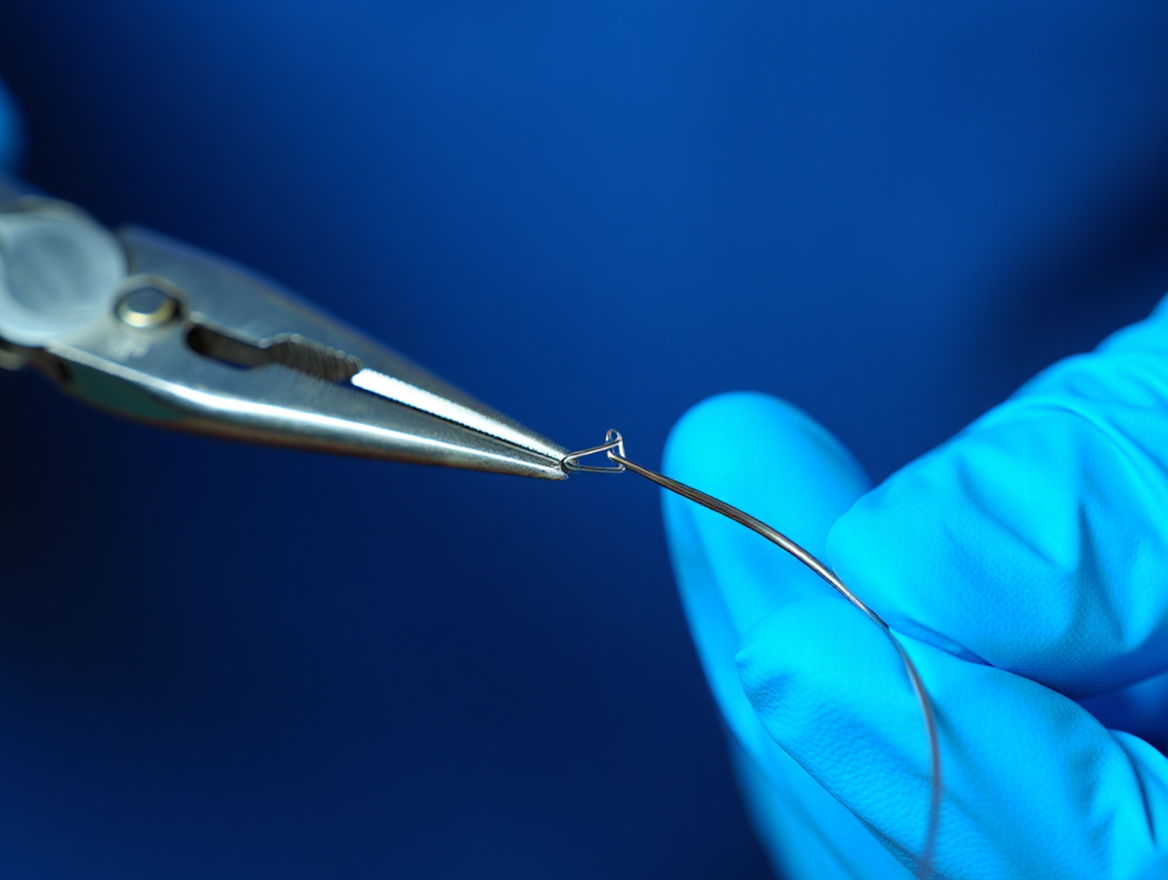
- Develop practical understanding related to orthodontic appliances, wire bending, and appliance-based principles
- Understand the essential and modern principles of treatment with clear aligners and case selection
- Improve clinical documentation through dental photography and organised orthodontic records
- Learn the principles of evidence-based dentistry and apply scientific evidence to clinical decision-making
- Prepare more effectively for Part A and Part B through structured academic and examination-focused learning
- Explore the role of digital tools and AI in orthodontics in education, communication, and professional workflow
- Progress from theoretical understanding toward a more mature orthodontic mindset capable of linking science to practice
This programme is not only intended to help trainees know more. It is intended to help them think more like orthodontists, with stronger academic grounding, sharper clinical judgment, and a more stable foundation for long-term professional growth.
Program Objectives
Fellowship in Orthodontics (FOrth) – The British Orthodontic Fellowship Program is designed to prepare dentists for an advanced orthodontic training pathway through an integrated programme that combines scientific foundations, clinical development, practical training, and the strengthening of analytical and decision-making skills within modern orthodontic practice.
The main objectives of the programme are to:
- Build a strong academic foundation in the sciences and principles of orthodontics
- Develop a structured understanding of diagnosis, case analysis, and treatment planning
- Prepare trainees to approach orthodontic cases with greater organisation, clarity, and professionalism
- Connect theoretical knowledge with practical and clinical application in a structured training environment
- Establish both fundamental and advanced understanding of orthodontic biomechanics and treatment control
- Strengthen clinical reasoning, case discussion, and treatment justification skills
- Improve the ability to read, interpret, and use clinical records in treatment decision-making
- Enhance practical and technical competence through training in appliances, wire-based skills, and documentation methods
- Introduce trainees to modern components of orthodontic practice, including clear aligners, digital workflows, and AI-related applications
- Reinforce the principles of evidence-based dentistry and connect practice to trusted scientific evidence
- Improve readiness for different stages of specialist examination, particularly Part A and Part B
- Support the development of a more mature specialist pathway that combines academic knowledge, clinical competence, and professional discipline
- Contribute to the formation of an orthodontic clinician capable of continuous learning, critical evaluation, and growth within a competitive specialist environment
- Support progression toward a higher level of excellence in the British Orthodontic Fellowship through structured long-term training
This programme represents a true formative journey rather than a simple sequence of lectures, because its purpose is to develop a clinician who can understand, analyse, justify, and continue to grow within the specialty of orthodontics.
Who This Program is For
Fellowship in Orthodontics (FOrth) – The British Orthodontic Fellowship Program is designed for dentists who want to enter a serious and structured pathway in orthodontics and build a strong academic and clinical foundation for meaningful long-term development in the specialty.
This programme is particularly suitable for:
- Dentists with a genuine interest in orthodontics who want to study the specialty in greater depth and with stronger structure
- Recent graduates and early-career dentists seeking a clear pathway to build themselves in orthodontics
- Interns and general dental practitioners who want to move from broad interest into more focused specialist training
- Dentists who aspire to pursue the British Fellowship in Orthodontics pathway and understand its academic and examination demands more clearly
- Clinicians who want to strengthen their ability in orthodontic diagnosis, treatment planning, and case analysis rather than relying on surface-level knowledge
- Dentists who feel their previous education did not give them a sufficient orthodontic foundation and want to build a stronger base
- Those looking for a programme that combines theoretical knowledge, clinical understanding, practical skills, and case discussion within one integrated training structure
- Dentists aiming to improve their professional profile and future opportunities within specialist dental practice in Egypt or abroad
- Individuals who value structured long-term learning over quick courses or limited short-term exposure
- Dentists who are ready to commit to a training journey that requires seriousness, progression, and active engagement in learning
This programme is not designed for those seeking only quick information or a formal title. It is designed for those who want to build real understanding, real skill, and a stronger professional identity within orthodontics.
- Category Orthodontics
- Learning Method Hybrid
- Courses 11 Courses
- Duration 36 Month , 365 Day
Latest Training Programs
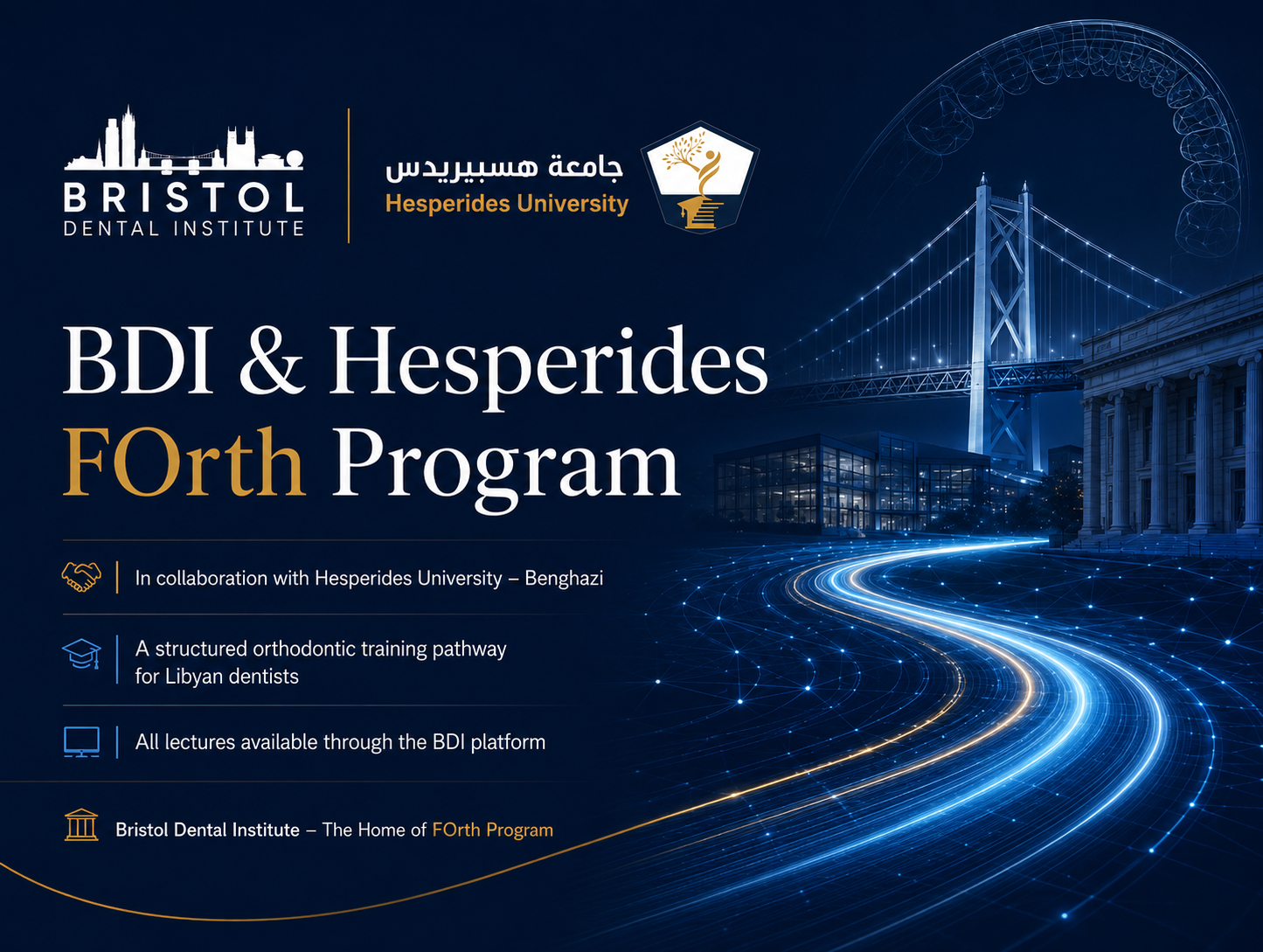
Program Courses
browse 11 courses included into this Program






Instructors
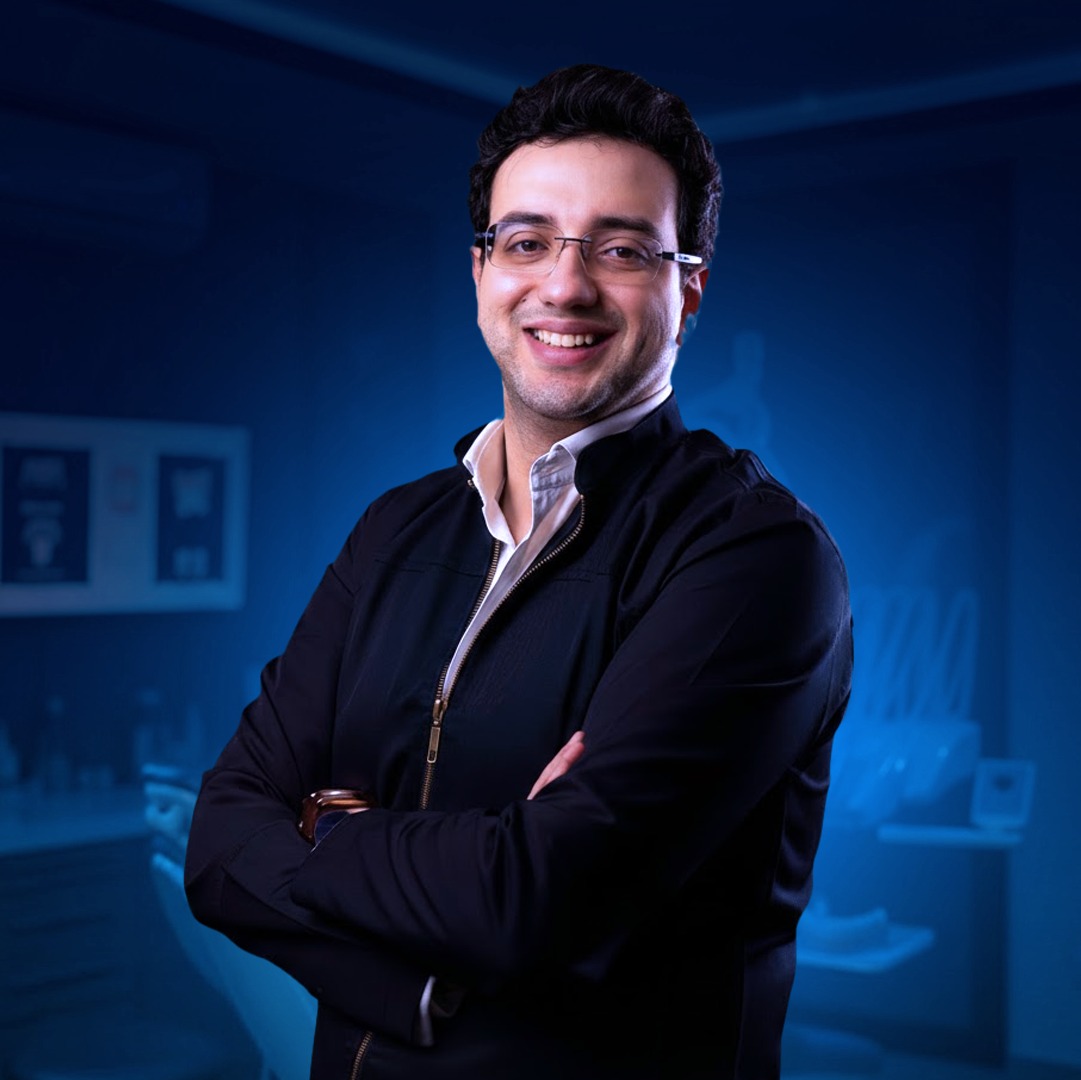
Dr. Mohamed Elzayat
Consultant Orthodontist, FOrth Instructor & Clinical Supervisor at Bristol Dental Institute - BDIFollow Me
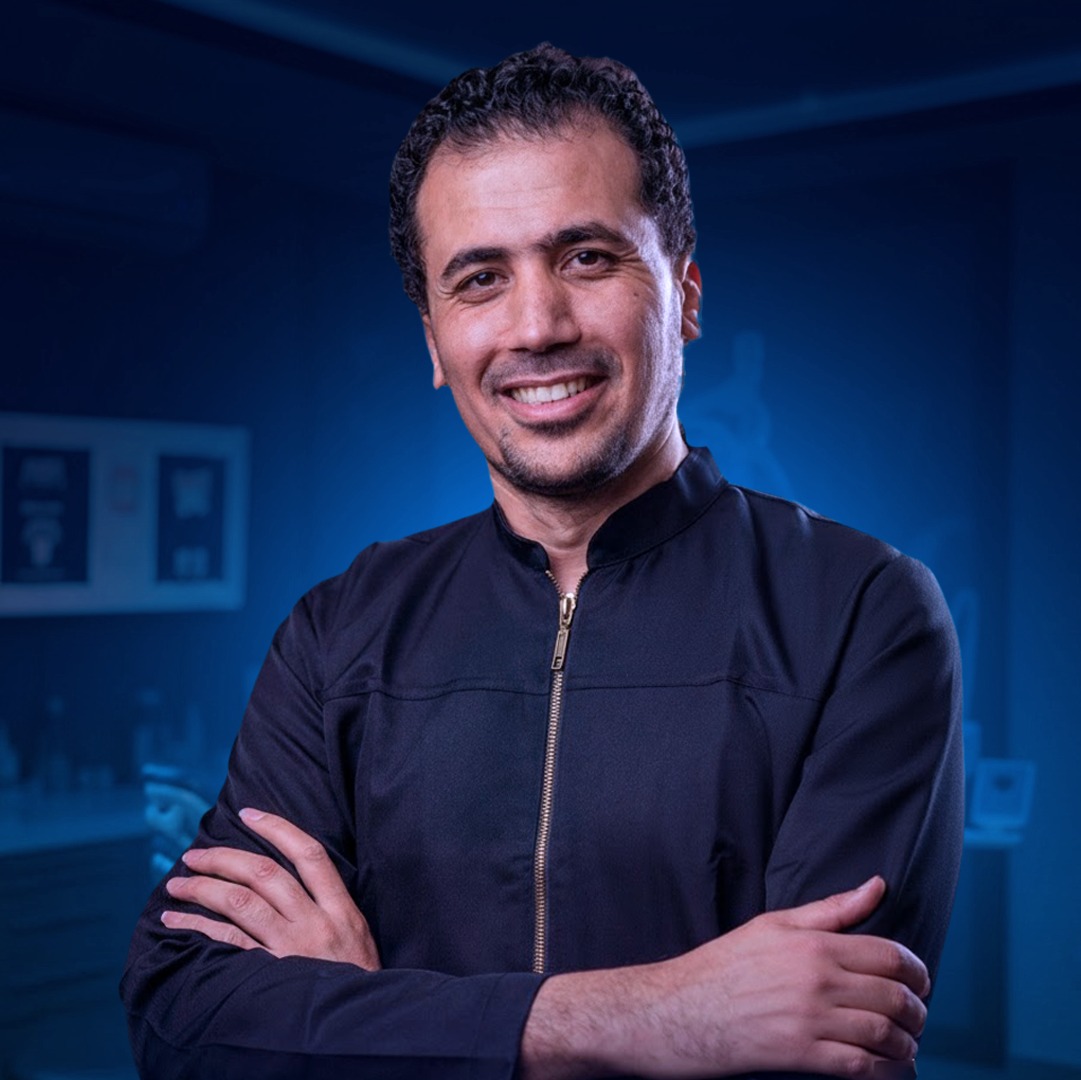
Dr. Marzouk Hamdy
Consultant Orthodontist, FOrth Instructor & Clinical Supervisor at Bristol Dental Institute - BDIFollow Me
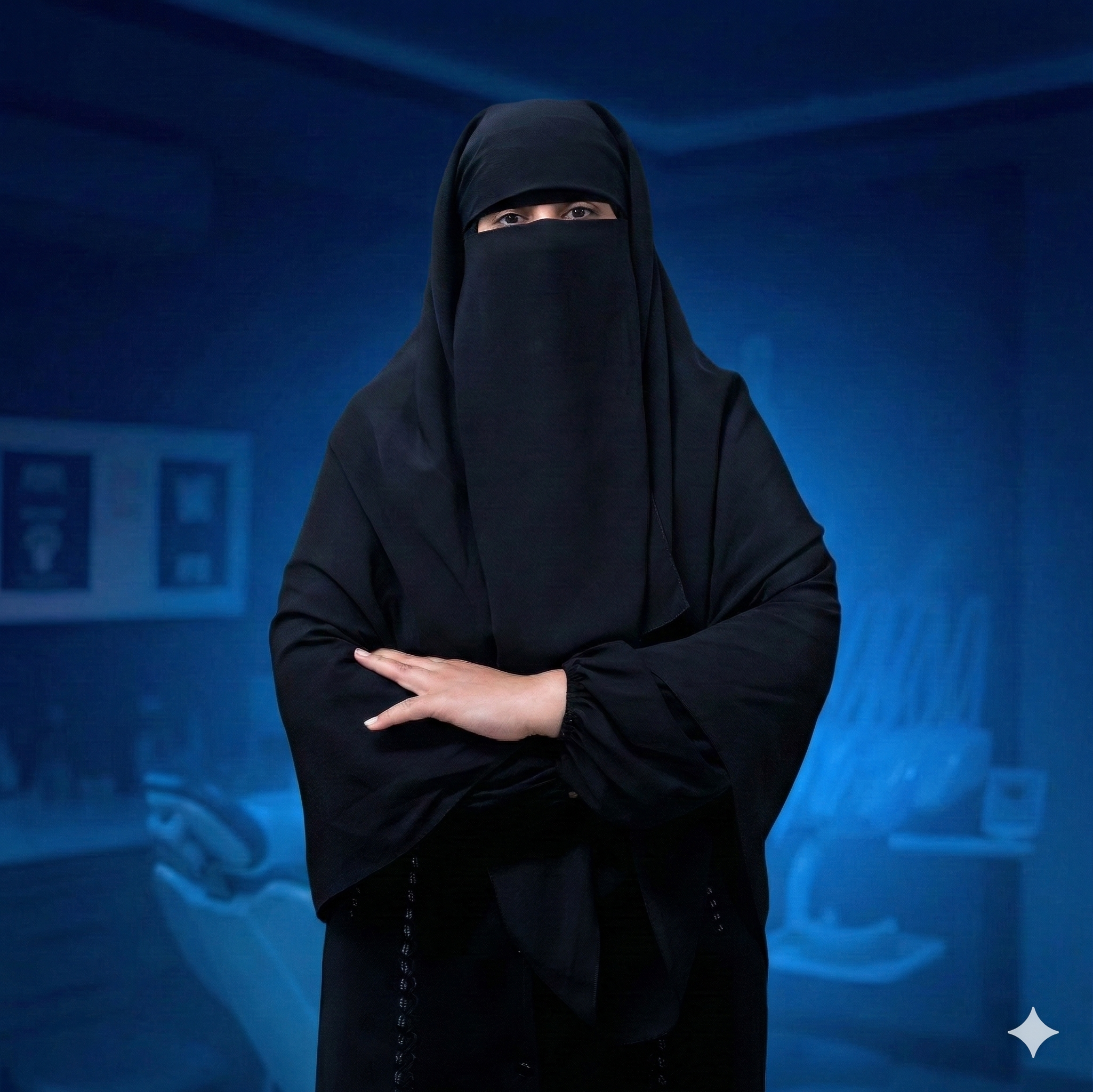
Dr. Aya Ibrahim
Consultant Orthodontist, FOrth Instructor & Clinical Supervisor at Bristol Dental Institute - BDIFollow Me
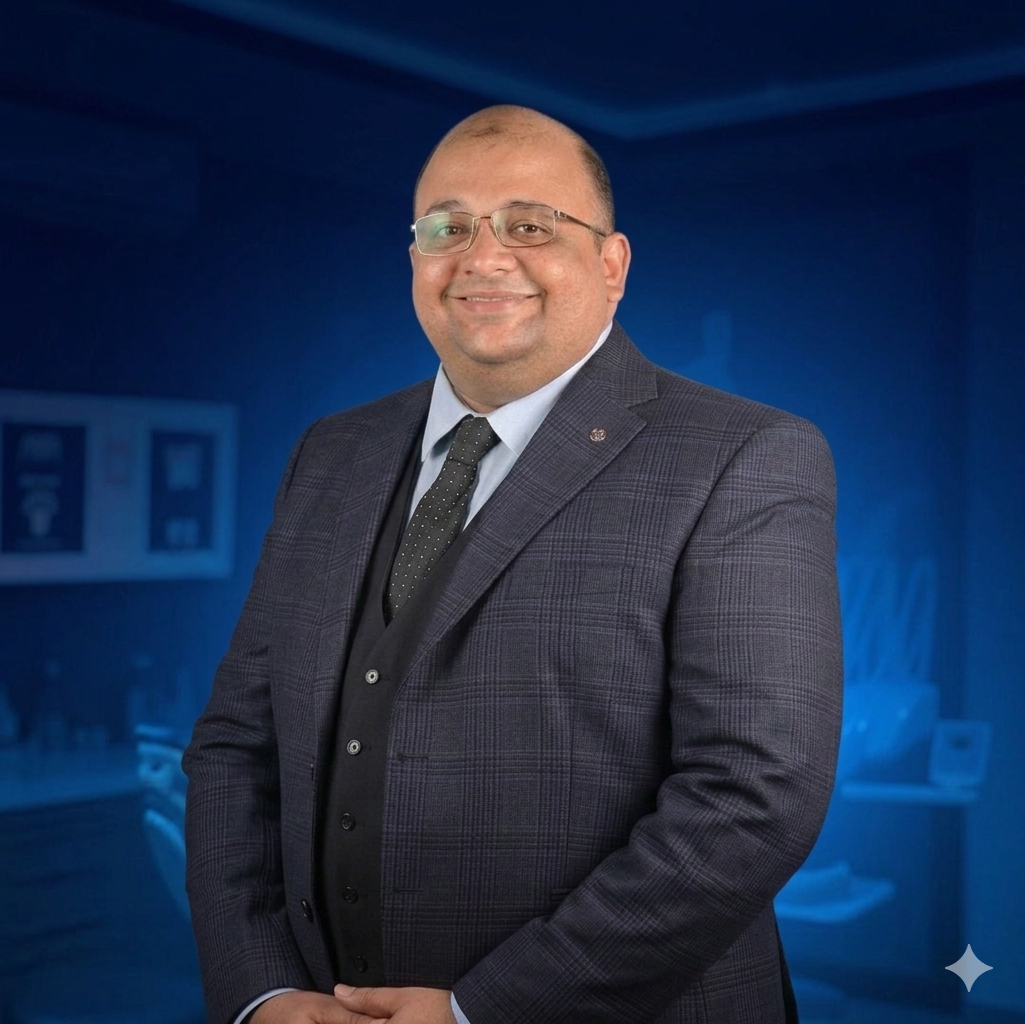
Dr. Mohamed Elsaharty
Orthodontics Consultant, Lecturer of Orthodontics, Faculty of Dentistry, Tanta University and Instructor & Clinical Supervisor at Bristol Dental Institute - BDIFollow Me